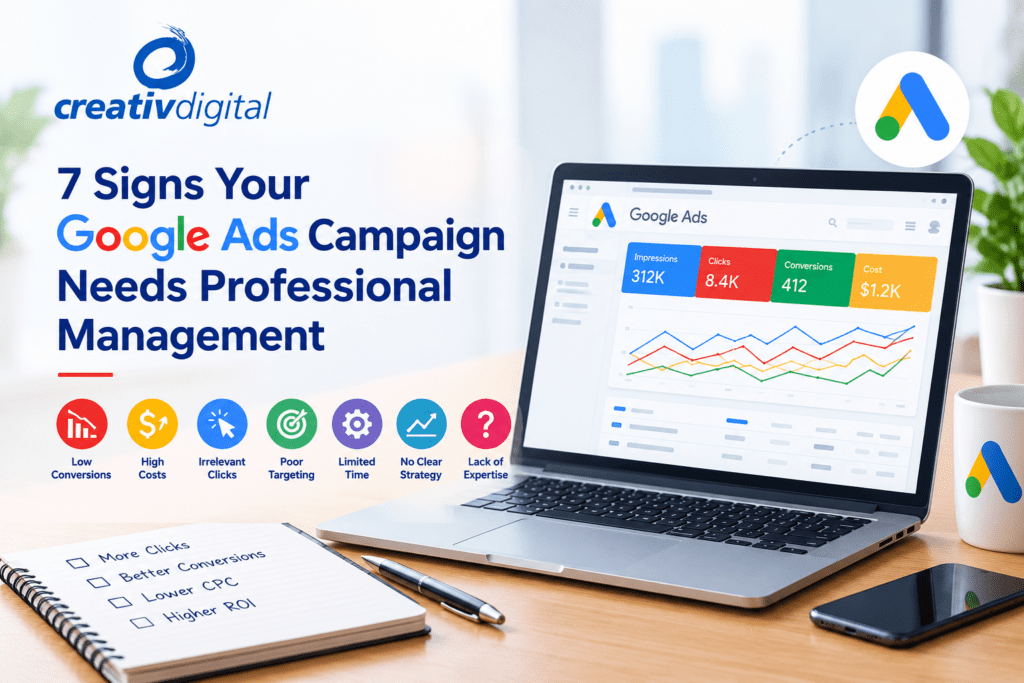



Sydney businesses can waste significant Google Ads budget when campaigns are built without clear targeting, relevant keywords, strong landing pages or ongoing optimisation. Common mistakes such as targeting the wrong searches, ignoring negative keywords, using weak ad copy and failing to track conversions can lead to clicks without meaningful enquiries or sales. Avoiding these issues helps businesses make better use of their advertising budget and attract people who are more likely to become customers.
10 Google Ads Mistakes Sydney Businesses Should Avoid
Understanding the most common campaign problems can help you identify wasted spend and improve your Google Ads results.
1. Targeting Too Broadly
Broad targeting can expose your ads to searches that are related to your industry but not relevant to what you actually offer. This can quickly consume budget without generating useful enquiries.
Sydney businesses should consider the specific products, services, locations and customer intent they want to target. More focused targeting can help keep advertising spend aligned with genuine opportunities.
2. Choosing the Wrong Keywords
Keyword selection has a direct impact on who sees your ads. Choosing keywords simply because they have high search volume can attract people who are researching rather than ready to buy.
Focus on terms that reflect your services and commercial intent. Review search behaviour regularly and remove keywords that consistently generate irrelevant traffic.
3. Ignoring Negative Keywords
Negative keywords help prevent ads from appearing for searches that are unlikely to produce valuable customers. Without them, campaigns may receive clicks from people looking for unrelated services, jobs, free resources or information.
Regularly reviewing search terms can reveal new negative keyword opportunities and reduce unnecessary spend.
4. Writing Generic Ad Copy
Generic ads make it harder for your business to stand out from competitors. If the message does not clearly explain what you offer or why someone should choose you, potential customers may keep searching.
Strong ad copy should match the user’s search intent and communicate a clear benefit. Where appropriate, include relevant services, locations, offers or reasons to take action.
5. Sending Every Click to the Homepage
A homepage is not always the best destination for paid traffic. Visitors arriving from a specific search often expect to find information directly related to what they searched for.
Creating or using a relevant landing page can make the journey more focused and reduce friction. The page should clearly support the promise made in the ad.
6. Not Tracking Conversions Properly
Clicks and impressions show activity, but they do not necessarily show business results. Without reliable conversion tracking, it becomes difficult to know which campaigns, keywords and ads are actually generating enquiries or sales.
Sydney businesses should track meaningful actions such as phone calls, enquiry forms, bookings or purchases where relevant.
7. Focusing Only on Clicks
A high click-through rate can look positive, but clicks alone do not guarantee quality leads. If visitors leave without taking action, the campaign may be attracting the wrong audience or sending them to an ineffective page.
If your ads are getting traffic but not producing results, reviewing the user journey is essential. Understanding why ads get clicks can help identify conversion problems.
8. Setting and Forgetting Campaigns
Google Ads campaigns require ongoing attention. Search behaviour, competition, costs and performance can change over time, so a campaign that worked well initially may become less effective.
Regular optimisation can include reviewing search terms, adjusting bids or budgets, testing ad messaging and identifying underperforming areas.
9. Managing Everything Without a Clear Strategy
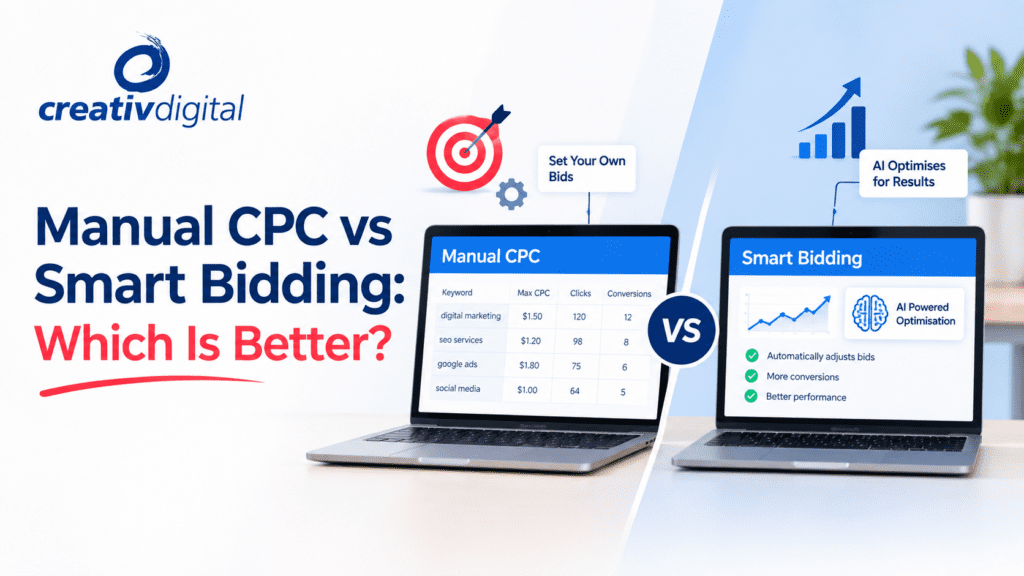
Managing Google Ads yourself can work for some businesses, but it can become difficult when campaign structure, tracking, optimisation and performance analysis require more time and expertise.
Before deciding whether to manage campaigns internally, it can help to understand the differences between managing Google Ads yourself and working with specialists.
10. Choosing an Agency Based Only on Price
The cheapest Google Ads option is not necessarily the most cost-effective. Poor campaign management can result in wasted advertising spend, weak targeting and missed opportunities.
When comparing providers, look beyond price and consider their approach to strategy, campaign management, reporting, conversion tracking and optimisation. Our guide to choosing a Google Ads agency explains what businesses should consider.
Conclusion
A better campaign starts with avoiding preventable problems.
For Sydney businesses, successful Google Ads management is about more than generating clicks. Clear targeting, relevant keywords, strong messaging, accurate conversion tracking and continuous optimisation all contribute to better campaign performance. If you want to improve your paid search strategy, professional Google Ads Sydney services can help build and manage campaigns around your business goals.